Finding gigs: from choosing the club to getting booked
Four steps from picking the venue to a booking email that gets answered — plus the addresses to start with.
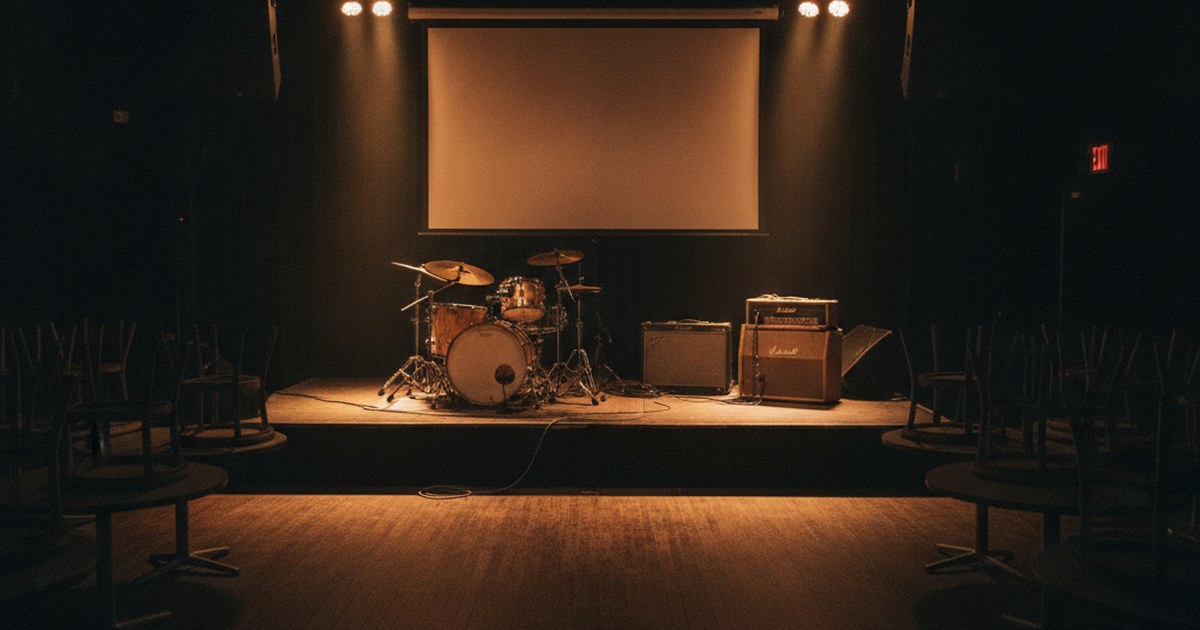
Getting your first show in an unfamiliar city takes four steps — one evening of work, plus a follow-up two weeks later. It fails at the same places almost every time: the wrong venue, a dead address, an email that is too long.
From the club to a confirmed night
Pick venues by programme, not by size30 minutes
A small club that regularly books your kind of music is a better address than the bigger hall that does not — your audience will not show up there anyway.
Check the venue is still activeimportant
A look at the last few events on the website or Instagram. Clubs close quietly, and nothing looks less professional than a request to a venue that has been shut for a year.
Write the booking emailone email, one paragraph
The recipient is the club's booking contact — the address is on their website, usually under Contact or Booking. What belongs in the email is a link that plays at once, one full-song live video, and three lines of text: who you are, when you can play, and what you bring — an audience, your own gear, a local band as support. No attachments. What goes into the package and what the booker skips is in EPK for bands.
Follow up once after two weeks
Once, in the same thread. A band that follows up three times does not get booked — it gets filtered.
The email that gets answered
Bookers read these emails quickly and in passing. The one that gets a reply stays short and answers three questions: Does your music fit what the club usually books? Do you bring an audience? And are you easy to work with?
What does not get through: five links, a PDF attachment, a paragraph of band history, and the phrase "we would love to play at your venue sometime" with no concrete dates.
FAQ: Pay-to-play, riders and silence
What is pay-to-play, and how do I spot it?
Any deal where the band pays for the stage — a ticket quota, a buy-in for the slot, a promoter package, a door deal stretched with deductions. The marker is structural: a number attached to what you sell or pay appears in the first email, before any date is fixed. Pay-to-play takes each shape apart. For a first show in a new city it can be a deliberate choice; as the normal way of getting booked, it is not.
Do we need a technical rider?
One page, as a PDF — and only once the show is confirmed. Which six sections go on it is in Technical rider for small clubs.
How early should we ask?
Clubs plan two to four months ahead, festivals half a year and more. Ask in September for an October date and the best you can hope for is filling in when someone cancels.
And if nobody replies?
Then the second route is often the faster one: open calls. Band contests and newcomer slots are not decided by who the booker knows, but by a submission with a deadline.
Where the addresses come from
We keep an open directory of venues: places where concerts happen regularly, with a website and a genre profile. It is not complete — it is what we have checked — but it saves the part of the research that eats the most time.
Venues in Germany
97 in the catalog right now · as of 2026-10-28
- Backstage — Munich
- Batschkapp — Frankfurt am Main
- Blue Shell — Köln
- Knust — Hamburg
- Lido — Berlin (Kreuzberg)
- Lila Eule — Bremen
- SO36 — Berlin (Kreuzberg)
- Sputnikhalle — Münster
- UT Connewitz — Leipzig, Saxony
- Volksbad — Flensburg
A venue is missing?
Write to us — with a link. We check it and add it. The directory lives on bands correcting it: kontakt@produser.io
Open calls in Germany
76 in the catalog right now · as of 2026-10-28
- Burnout Festival — Nienburg/Weser (Weserwall) · closes 2027-01-31
- Full Force Festival — Ferropolis, Gräfenhainichen (Saxony-Anhalt)
- Nature One — club floors — Kastellaun, DE
- Ruhrpott Rodeo — Hünxe (Flugplatz Schwarze Heide)
- SPH Music Masters — 70+ cities incl. Bremen, Bremerhaven, Hamburg, Braunschweig, Bielefeld, Bochum, Köln
- Wild Rock Open Air — Wildeshausen (Burgwiese)
The numbers above the lists count our directory, not the market.
Sources
- Produser directory: the embedded lists are counted on every page load
- Genre labels: the venues' own descriptions on their websites
Updated: 2026-09-13
General information, not legal or tax advice. Any figures are examples, not commitments.
Last reviewed: 13.09.2026
Read next
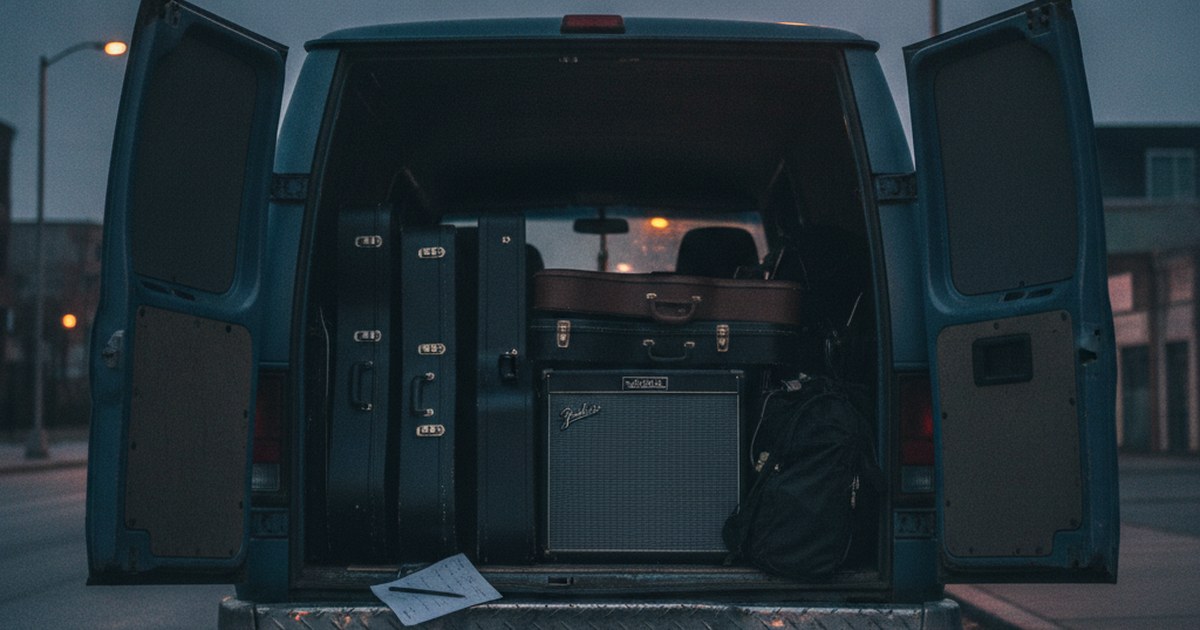
What a gig costs: a band's honest calculation
Fuel, backline, wear and tear — a worked example for an out-of-town show, and how many paying guests a door deal needs before you break even.
2026-09-13 · Georgy E.
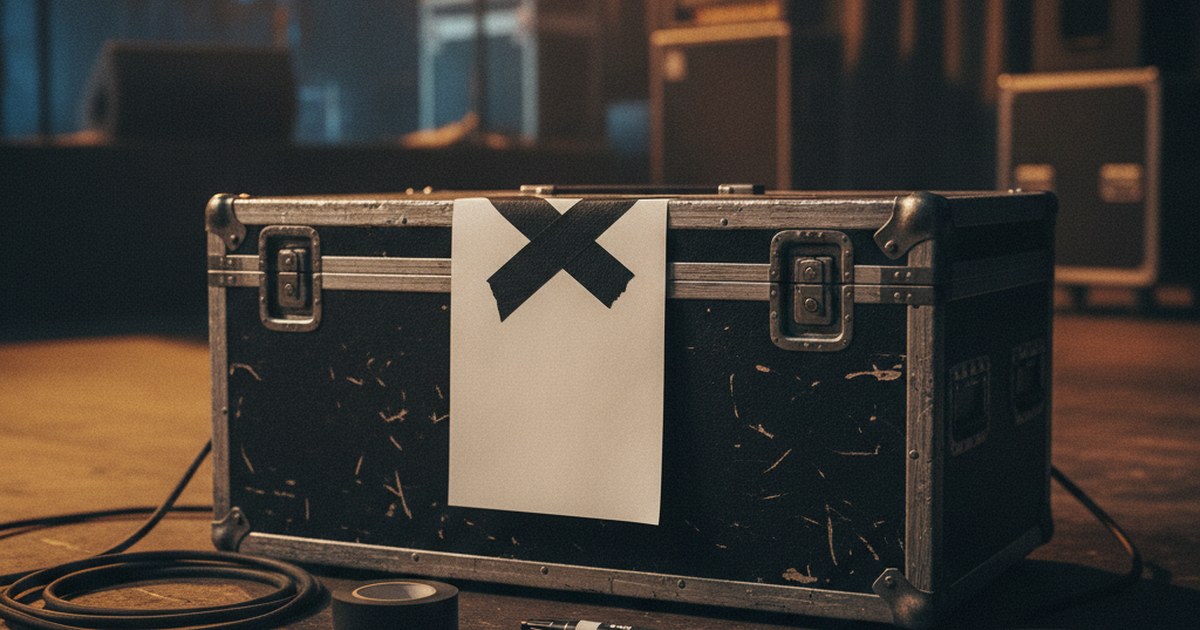
Technical rider for small clubs: one page is enough
Line-up, channel list, backline, monitors, stage plan — what the club's sound engineer actually needs, top to bottom, on one sheet.
2026-09-13 · Georgy E.
EPK for bands: what bookers actually open
A link that plays at once, a full-length live video, three lines of text — that is the whole booking package. Plus the list of what the booker skips.
2026-09-13 · Georgy E.
Booking platforms compared: gigmit, Backstage PRO — or ask the club directly?
gigmit PRO costs 228 euros a year plus VAT, Backstage PRO nothing, an email to the club your time. What each route gets you, which band it suits and where the notice period sits.
2026-09-13 · Georgy E.